How to Build Cross Platform Mobile Apps (2025 Update)
Looking for how to build cross platform mobile apps in 2025? This guide covers top frameworks, development steps, and expert tips to help you launch fast and scale across devices.


Table of contents
Table of Contents
- What is Cross Platform Mobile App Development?
- Why Build Cross Platform Apps in 2025?
- Best 5 Frameworks for Cross Platform Mobile Development
- How to Build Cross Platform Mobile Apps in 2025
- Challenges in Cross Platform Mobile Programming
- Future of Cross Platform App Development
- How RocketDevs Helps
- Conclusion
Building cross platform mobile apps has never been more important. People expect apps that run smoothly on both iOS and Android without compromise these days.
For startups and enterprises alike, this means reaching more users, cutting costs, and speeding up development. The process is now easier, faster, and more affordable than ever before in 2025.
Businesses can no longer afford to build separate apps for iOS and Android when time, cost, and user reach matter so much. With one codebase, you can launch faster, maintain easier, and serve more users at once.
This approach, aside from the obvious, ensures consistency, since roll out across devices at the same time.
The market is filled with powerful frameworks, making the process more accessible than ever. From React Native right down to Flutter, developers now have the tools that deliver near-native performance with less effort.
This carefully curated guide explains everything you need to know about cross platform mobile app development.
You’ll learn what these apps are, why they matter, the best frameworks, and actionable steps that show you how to build cross platform mobile apps that succeed.
By the end, you’ll understand how to turn an idea into a working app that performs across all devices.
Related:How to Build A Tech Team for a Startup in 7 Days
What Is Cross Platform Mobile App Development?
Cross platform apps are mobile applications that run on multiple operating systems using a single codebase. Instead of building separate apps for iOS and Android, developers write once and deploy everywhere.
The benefits are clear:
- Lower costs
- Faster development
- Wider reach
- Easier maintenance
Why Build Cross Platform Apps in 2025?
Understanding the ‘why’ is a crucial first step before diving into how to build cross platform mobile apps.
Cross platform apps are more or less a necessity these days because users expect seamless experiences across devices, and businesses cannot afford to leave half their audience behind.
Here’s a deeper look at why this approach matters today:
Speed to market – Launch faster by sharing most of your codebase. Companies can roll out MVPs in weeks instead of months, gaining a head start on competitors.
Cost savings – Save resources by building once and deploying to both iOS and Android. This reduces developer hours, design duplication, and long-term maintenance costs.
Consistency – Maintain a unified design language and identical features across platforms. Updates roll out at the same time, avoiding fragmented user experiences.
Scalability – Easily scale as demand grows. Add new features or performance upgrades once, then push them everywhere without separate development cycles.
Wider reach – Expand your audience instantly. A single launch gives access to billions of users across both ecosystems, maximizing visibility and adoption.
Faster feedback loops – With one codebase, user insights and bug reports can be addressed simultaneously, keeping the product agile and responsive.
(According to the 2024 Stack Overflow Developer Survey, 9.4% of professional developers reported using Flutter in production, while 9% used React Native, placing Flutter slightly ahead in popularity.)
Best Frameworks for Cross Platform Mobile Development
Several frameworks dominate the cross platform mobile development space in 2025. Each has its strengths, and choosing the right one is a key part of learning how to build cross platform mobile apps.
| Framework | Language | Backed By | Best For | Key Challenge |
|---|---|---|---|---|
| React Native | JS/React | Meta | Startups, content-driven apps | Performance with complex tasks |
| Flutter | Dart | Custom UI, beautiful design | Larger app size | |
| .NET MAUI | C# | Microsoft | Enterprise, Windows ecosystem | Smaller community |
| Kotlin Multiplatform | Kotlin | JetBrains | Shared logic, native UI | Still evolving |
| Ionic | JS/HTML | Open Source | Web-based hybrid MVPs | Limited native performance |
Related:How to Hire a Mobile App Developer
1. React Native 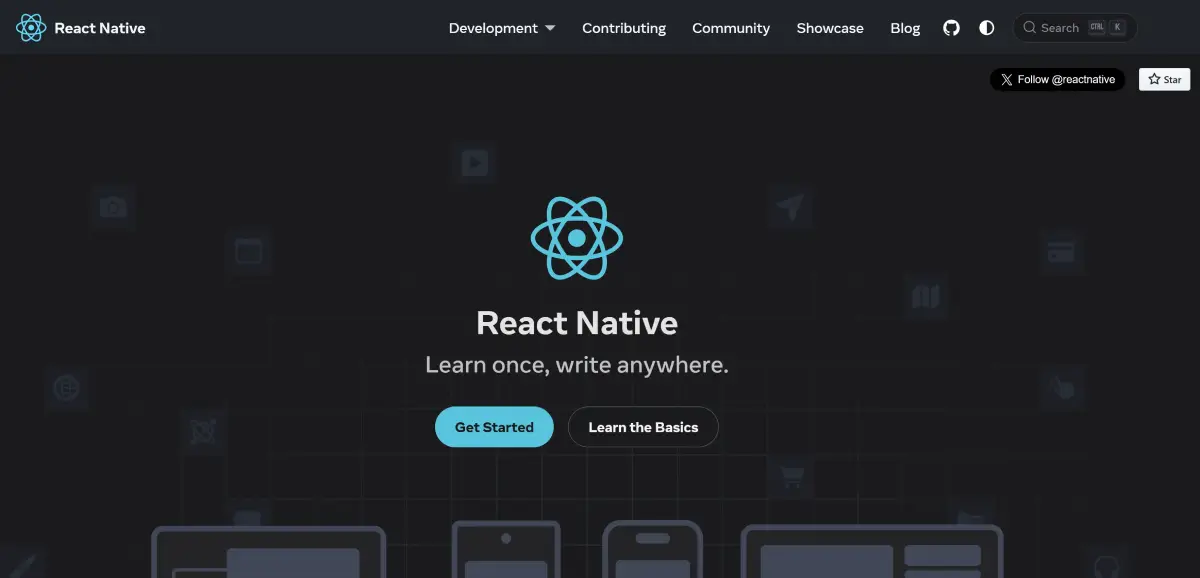
Still the leader and backed by Meta, React Native lets you build apps with JavaScript and React. It delivers near-native performance with a huge library of plugins
Who should choose this? Startups and mid-size businesses that are looking for quick, scalable apps. Perfect if your team already knows React.
Price: Free (open source).
2. Flutter
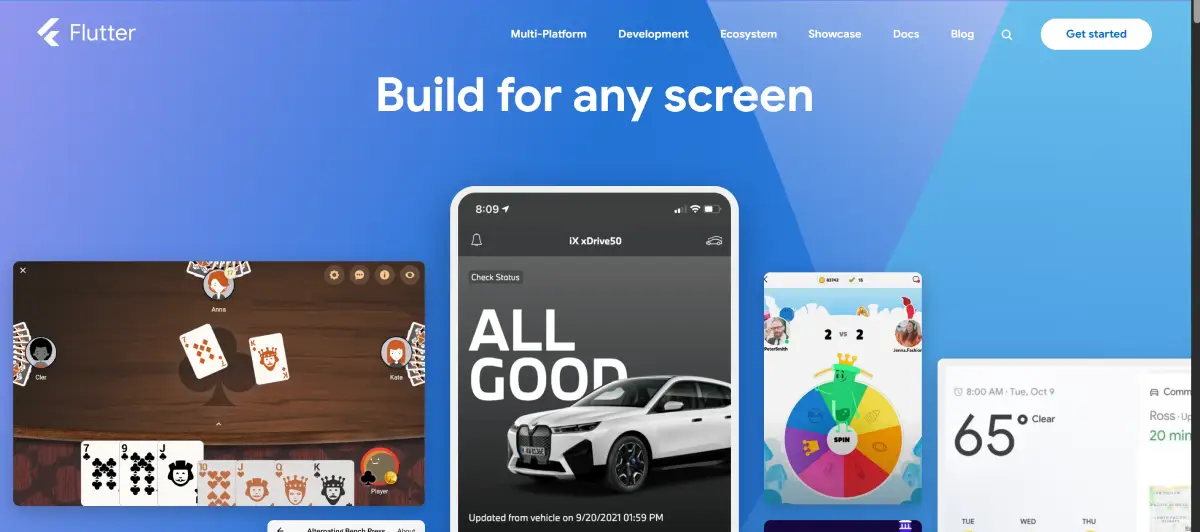
Google’s Flutter uses Dart and excels in UI. It allows highly customized designs and smooth animations across platforms
Who should choose this? Companies that prioritize design and user experience. Typically ideal for apps where visuals matter most.
Price: Free (open source)
3. Xamarin (now .NET MAUI)
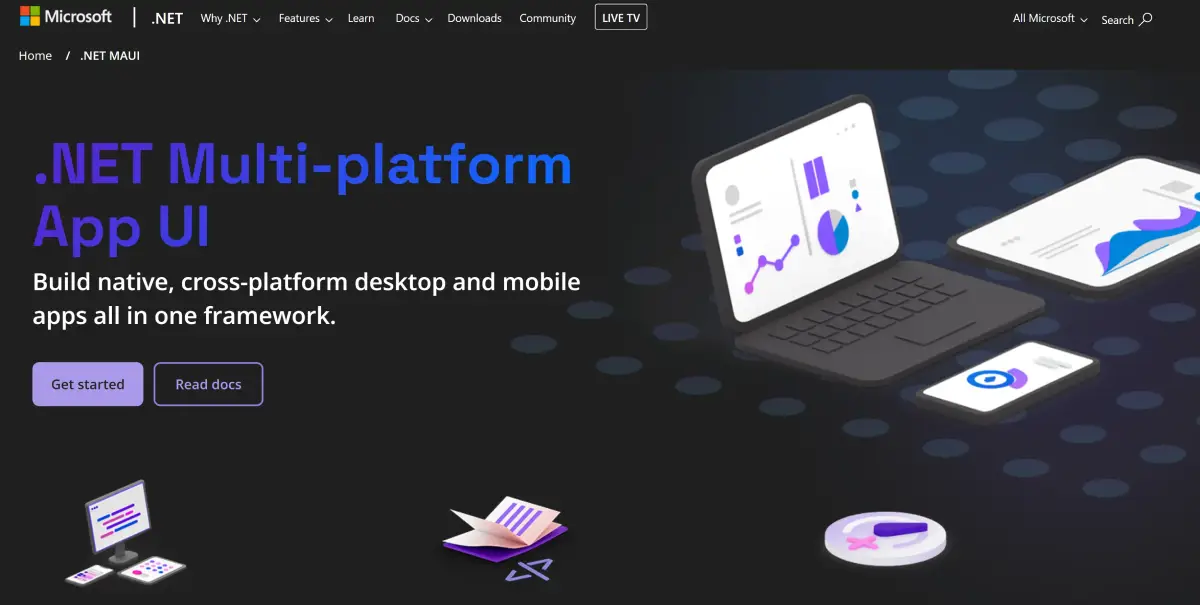
Microsoft’s .NET MAUI has replaced Xamarin. It uses C# and integrates seamlessly with Microsoft tools.
Who should choose this? Enterprises that have already invested in Microsoft tools. Best for corporate apps and large scale internal systems.
Price: Free with Visual studio.
4. Ionic
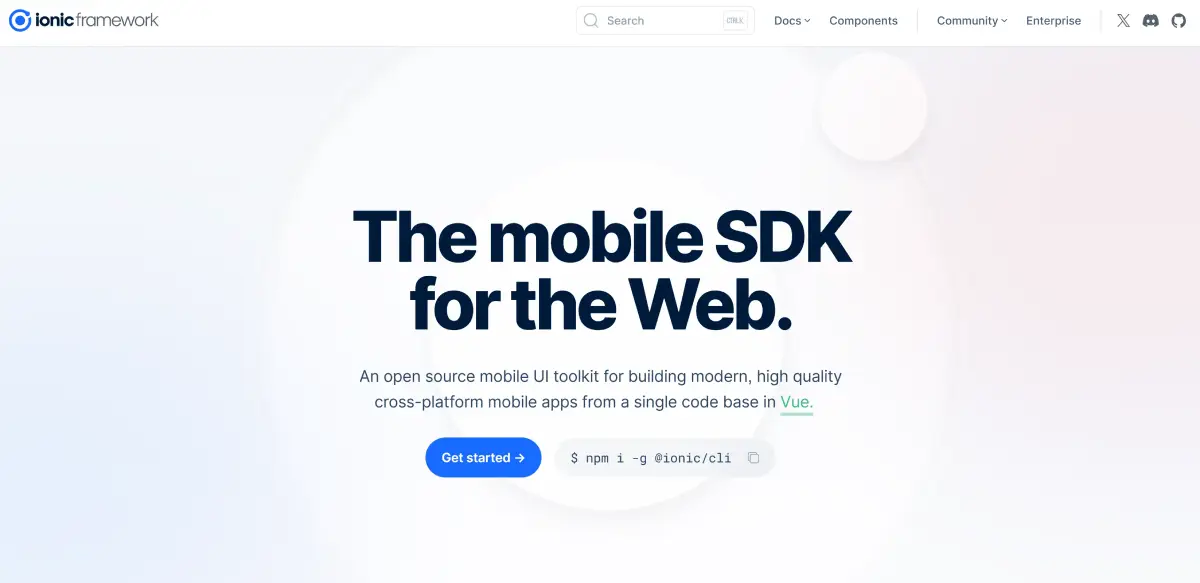
Ionic focuses more on web-based apps. Built with HTML, CSS, and JavaScript, it’s fast for teams familiar with web technologies.
Who should choose this? Teams that want to reuse web skills for MVPs or lightweight hybrid apps.
Price: Free, with paid enterprise support
5. Kotlin Multiplatform
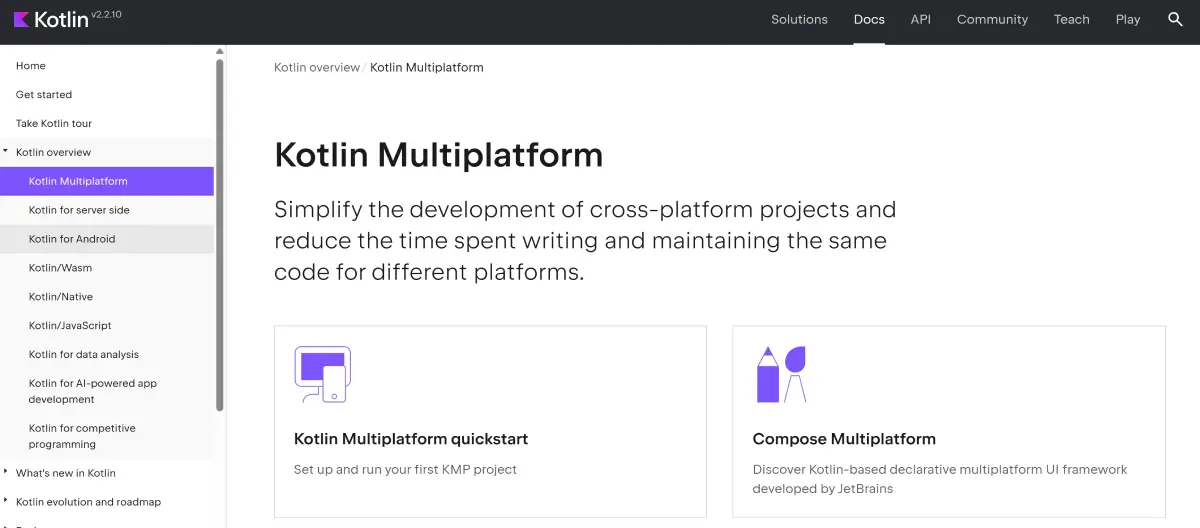
Kotlin is gaining ground fast. With official Google support, Kotlin Multiplatform allows shared business logic across apps while keeping native UIs.
Who should choose this? Performance-focused apps where native UI is crucial, but shared logic saves development time.
Price: Free (open source)
Related:Top 13 App Building Platforms in 2025
How to Build Cross Platform Mobile Apps in 2025
Building a cross platform mobile app in 2025 is more than just coding. It’s a structured process that takes an idea from concept to launch across multiple devices. Each step ensures your app is functional, user-friendly, and ready to compete.
Step 1: Define Your Goals
Start with clarity. Ask what problem your app solves and who will use it. Define measurable goals such as user numbers, engagement targets, or revenue streams.
Clear objectives will guide design, framework choice, and budget planning.
Step 2: Choose a Framework
Frameworks determine speed and performance. React Native, Flutter, Kotlin Multiplatform, and .NET MAUI are top picks in 2025.
Select based on your team’s expertise, app design needs, and long-term scalability. The right framework saves time and avoids costly rewrites.
Step 3: Design the UI/UX
User experience drives success. Create wireframes and prototypes that prioritize ease of navigation. Use responsive layouts that adapt to different screen sizes.
Test design drafts with potential users to ensure usability before development begins.
Remember Android follows Material Design while iOS uses Cupertino style. Many frameworks support both but require attention to detail
Step 4: Build the Core Features
Start with essential features. Focus on solving the primary problem. Use state management like Redux or Bloc and connect to backends via REST or GraphQL APIs.
Add advanced functionality later once you validate the core idea. This step avoids over-complication and keeps the project manageable.
Step 5: Test Across Devices
Testing is critical. Run the app on both Android and iOS devices, and across different screen sizes. Use automated testing for speed and manual testing for user feedback.
Use tools like BrowserStack, Appium, or Firebase Test Lab. Early testing ensures stability and reduces costly fixes after launch.
Step 6: Deploy and Update
Launch your app on Google Play and the App Store. Use CI/CD pipelines for updates. Monitor analytics, user reviews, and performance data.
Regular updates are key. Release patches for bugs, improve performance, and add features based on user demand. This keeps your app relevant and competitive.
Challenges in Cross Platform Mobile Programming
Cross platform app development offers big advantages, but like every other thing in life, it also comes with hurdles. Teams face a mix of technical and design challenges that must be addressed early.
Performance issues and Native feature access
Performance can suffer when building complex apps, since a shared codebase may not match the speed of fully native solutions. Accessing advanced hardware features like AR tools, biometric authentication, or background services often requires custom native coding.Design differences
Design alignment is another hurdle because iOS and Android have different guidelines, and making one design feel natural on both platforms takes skill.Larger app sizes
-Developers also deal with larger app sizes due to bundled frameworks, which can affect downloads in regions with limited internet.Debugging complexity
Debugging can be more complex, since bugs may only appear on one platform. Finally, long-term maintenance requires keeping up with frequent updates from both Apple and Google.
The good news is these challenges are not roadblocks. With experienced developers, smart testing, and the right frameworks, they can be solved effectively, allowing you to still enjoy the speed and cost benefits of cross platform apps.
Related: Get Pre-Vetted Android App Programmers For Hire
Future of Cross Platform App Development
AI is changing the way development happens now, especially with tools like Replit and Lovable already being used to help generate app code.
Expect frameworks to become smarter, faster, and more automated in the next few years. Therefore, businesses that adopt cross platform strategies early will stay ahead.
How RocketDevs Helps
At RocketDevs, we offer expert cross platform mobile development services. We connect businesses with skilled, pre-vetted developers who understand the nuances of how to build cross platform mobile apps that succeed.
These developers know the top frameworks, follow global best practices, and deliver high quality apps without the high cost.
Regardless of what you want, be it an MVP, a scalable enterprise app, or ongoing development support, RocketDevs ensures you get the right talent for the job.
With our developers, you save time, cut costs, and launch apps that work seamlessly on every device.
Related:How to Choose a Mobile App Development Company
Conclusion
The future is cross platform mobile app development because businesses need apps that reach users on both iOS and Android without doubling development costs.
Frameworks like React Native, Flutter, and Kotlin Multiplatform make this possible and this guide has provided a clear roadmap for how to build cross platform mobile apps
But the framework is only half of the story. The real differences lies in the developers building your app. Which is why RocketDevs exist today, to give you access to top tier talent who can transform your vision into a working product.
If you’re looking for professional cross platform mobile development services, you can partner with RocketDevs today. Let’s bring your idea to life, fast, affordable, and built to last.

Written by
Collins Okolo
Writer
Meet Collins Okolo! He's a creative writer and digital marketing enthusiast. Collins has been around the block when it comes to creating content for both social media and websites. What sets Collins apart is his storytelling ability and his uncanny knack of using his storytelling to tap into what makes people tick, no matter who they are. You can tell he lives for this stuff!
More from our blog
Continue exploring insights and stories from RocketDevs